John Lewis & Partners occupies a rather particular place in the British psyche: part retailer, part institution, part quiet reassurance that some things, despite everything, are still being done properly. With 52 stores nationwide and a significant online presence, its scale is undeniable, but its real strength lies in something less easily measured – although, for the record, it was named the UK’s top brand in YouGov’s 2018 mid-year brand health check, which feels about right.
Our relationship with John Lewis & Partners spans over two decades, which in retail terms is practically a lifetime and in real terms is a rare and valued continuity. We have now supported two major rebrands – the first in 2003, and the most recent one shaped by a broader strategic alignment with Waitrose & Partners. At the heart of this evolution is a simple but powerful idea: recognising and elevating the role of staff as Partners and co-owners, placing them firmly at the centre of the customer experience. It is a significant investment, and a considered response to the ongoing, occasionally dramatic, shifts in the retail landscape – particularly for the high street department store, which has had to learn a few new tricks in recent years.
Trust, in this context, is everything. It is built not through grand gestures but through the consistent delivery of small details, done well, again and again. The expectation is not that things will never go wrong, this is Britain after all, and things do occasionally go sideways – but that when it does it is corrected swiftly and with care, as though it were a rare and slightly embarrassing anomaly rather than a failure. That sense of reliability is what customers return for, often without quite realising it.
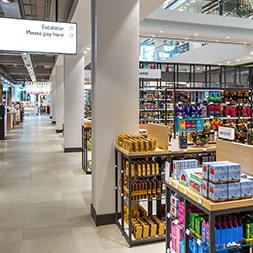
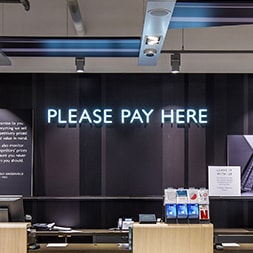
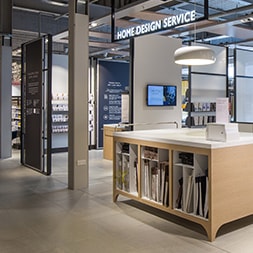
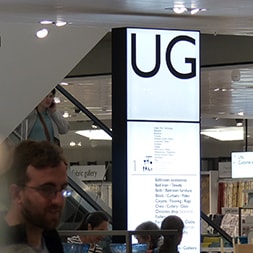
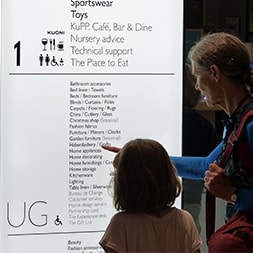
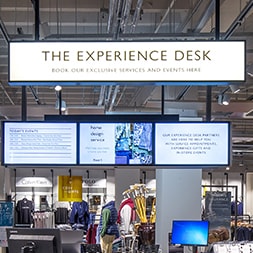
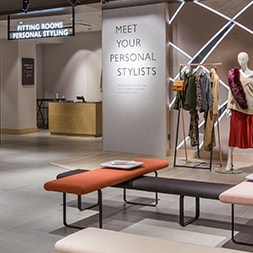
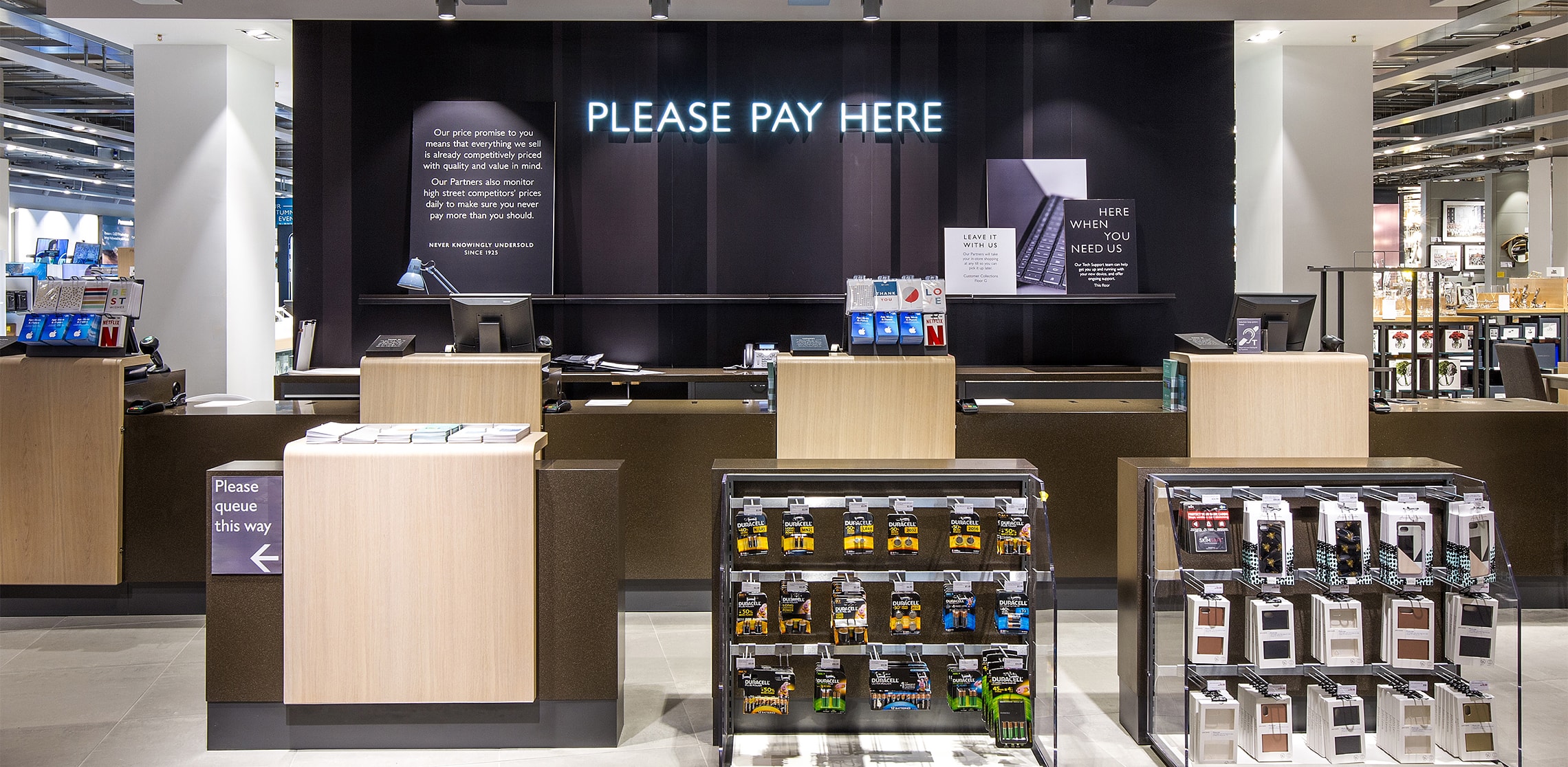
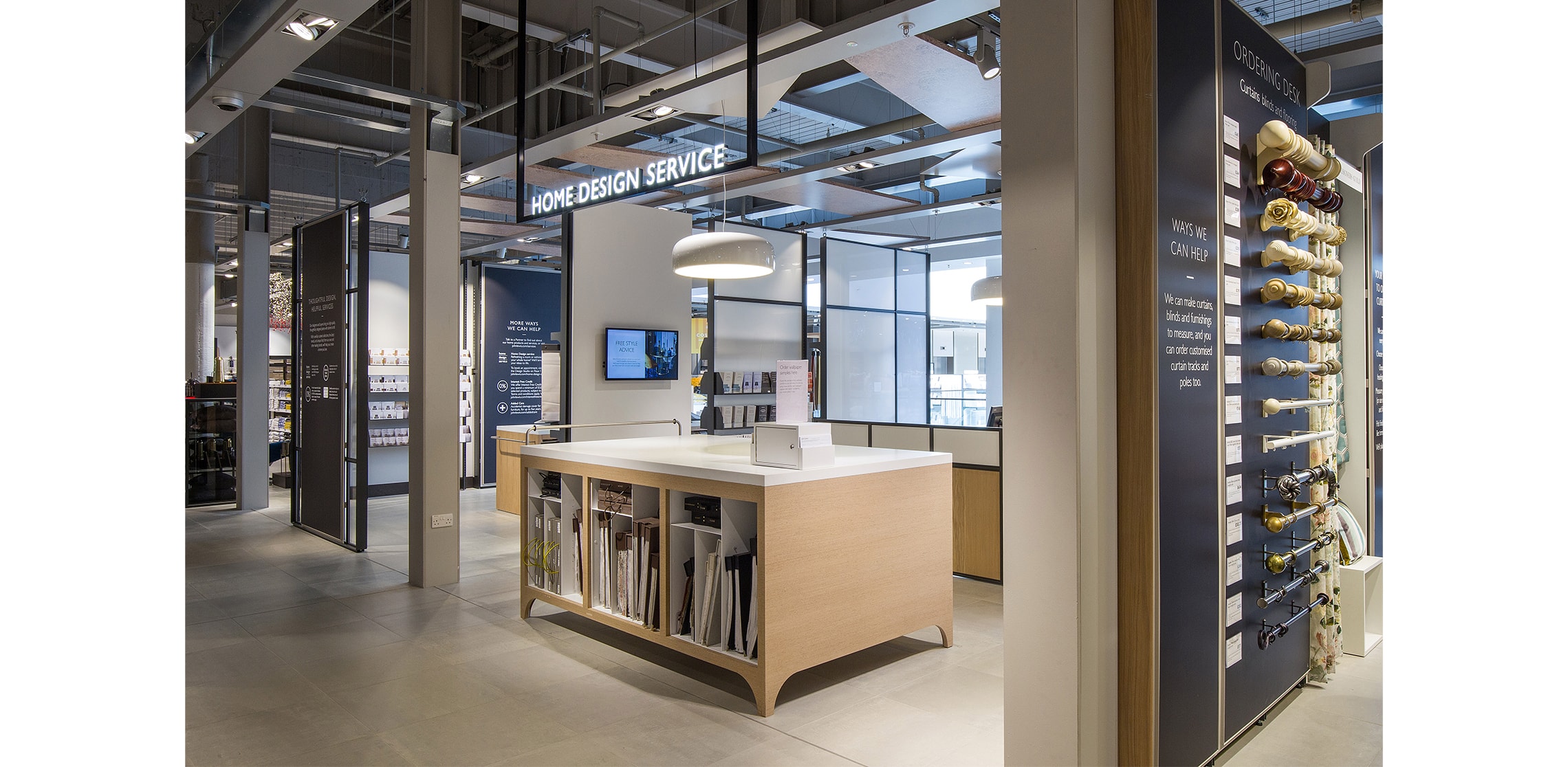
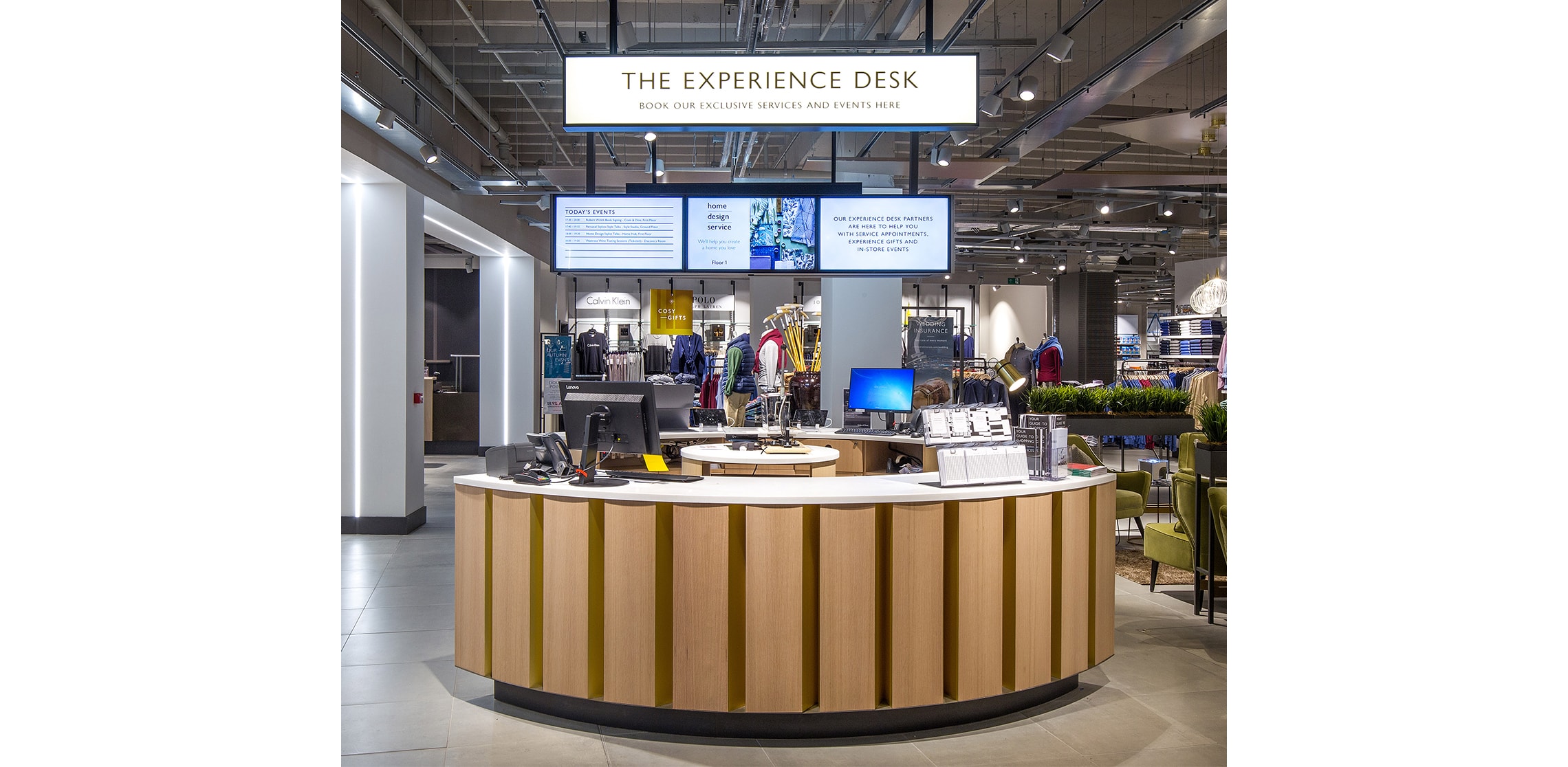
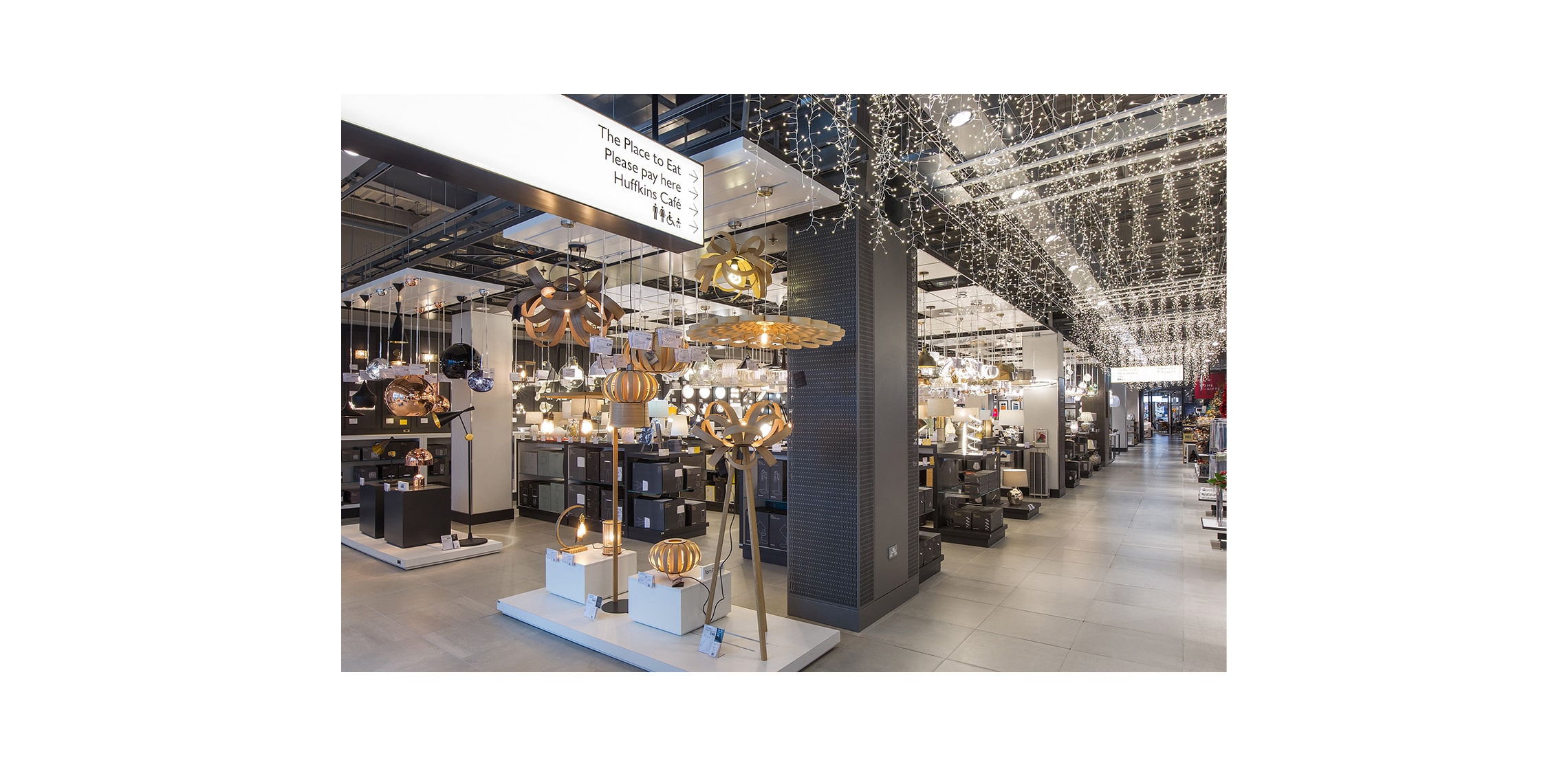
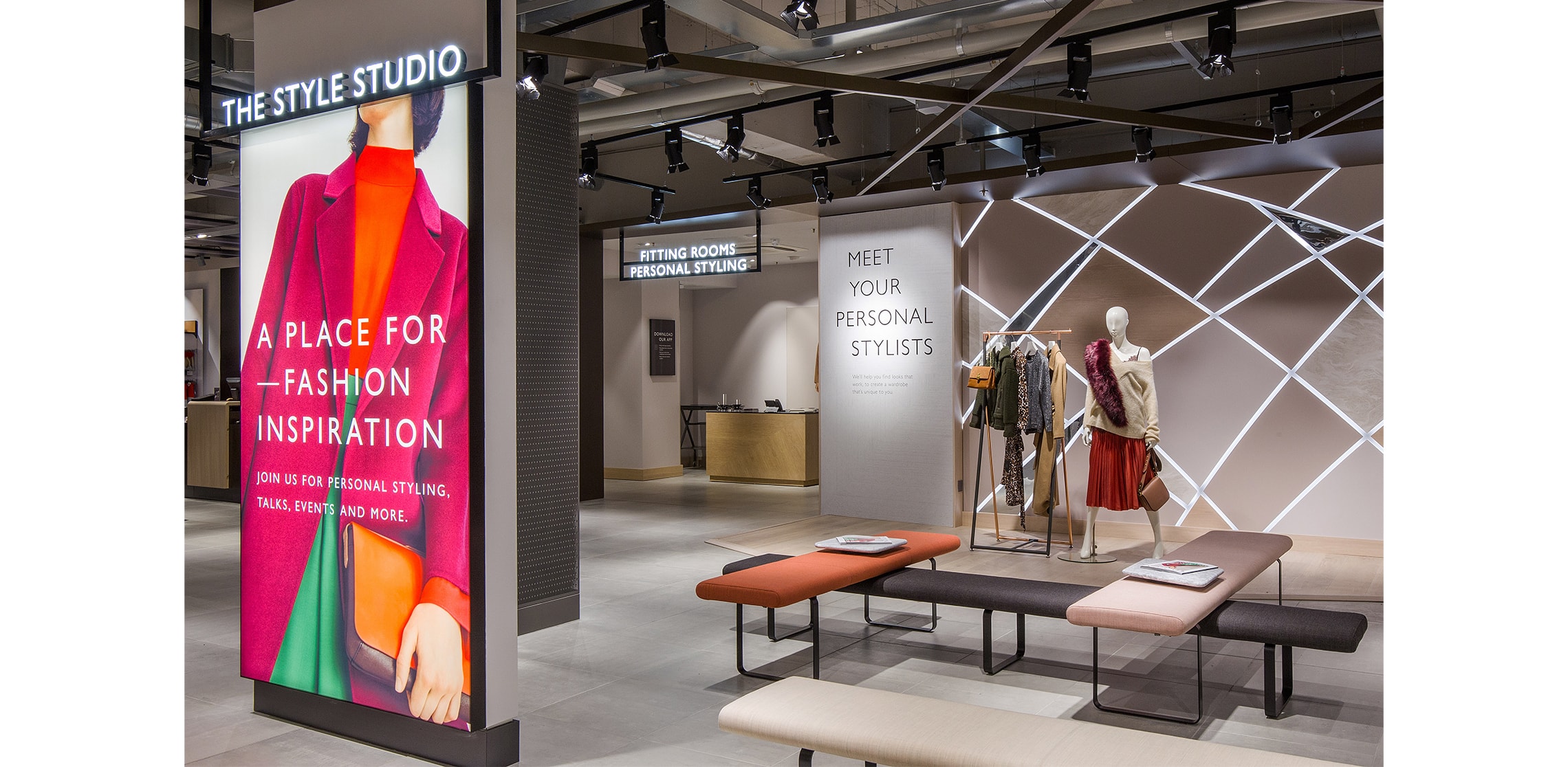
Our role within this is both precise and quietly demanding. We are entrusted as guardians of the brand in the physical environment, applying a deep understanding of John Lewis & Partners’ wayfinding principles and typographic standards to the realities of each individual store.
No two are the same; each presents its own spatial quirks, constraints and opportunities, requiring solutions that are often more nuanced than they first appear. It is less about imposing a system and more about interpreting one – faithfully, but with intelligence.
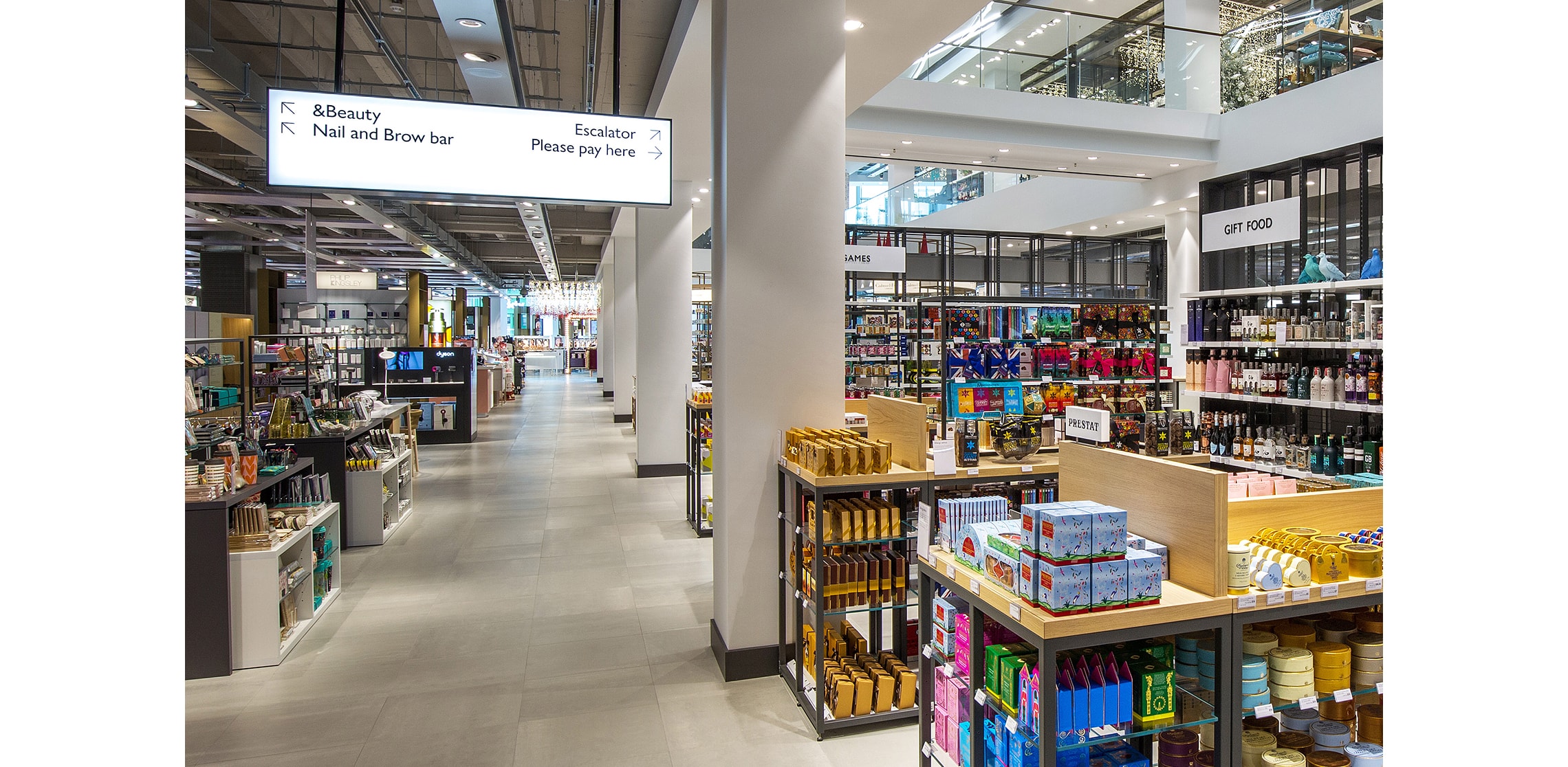
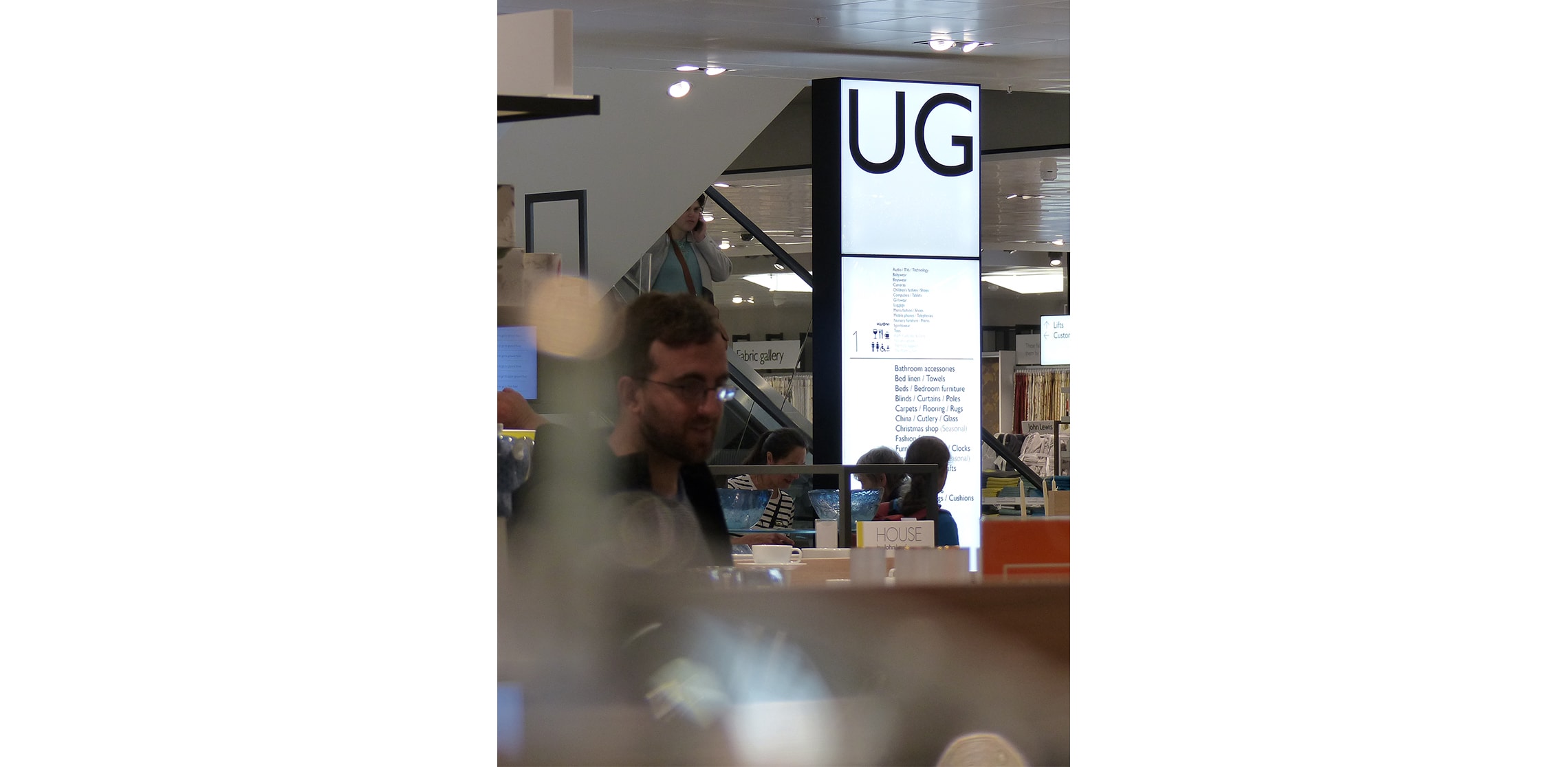
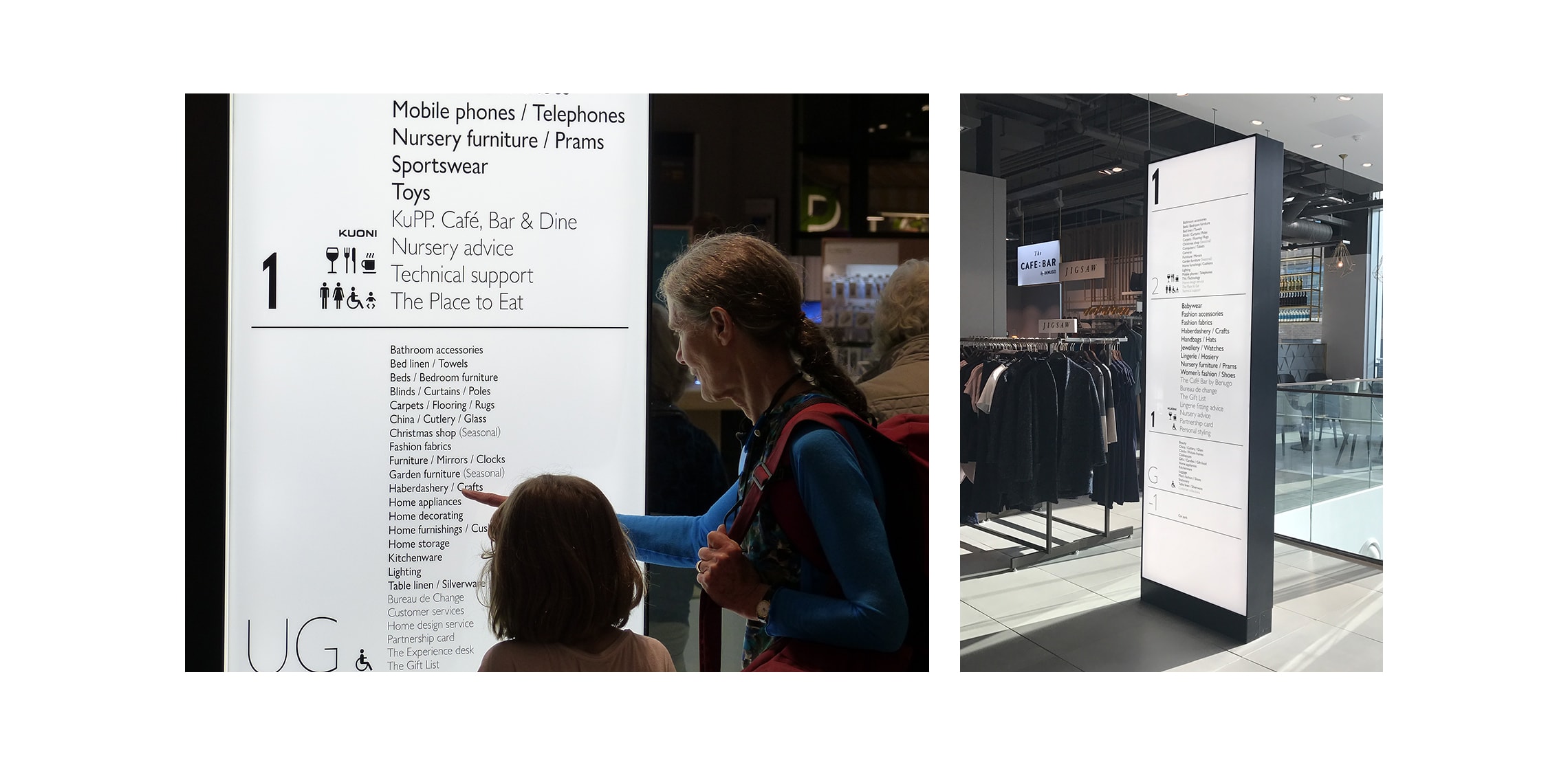
The work itself is grounded in practicality: helping people move through stores with ease, clarity and a certain degree of calm. Directional signage is designed to guide visitors comfortably to where they want to be, removing friction so that attention can shift, almost imperceptibly, to the experience of shopping itself – browsing, choosing, occasionally changing one’s mind and circling back again.
We often describe wayfinding here as the “silent partner.” It should feel as natural and reassuring as being gently pointed in the right direction by a member of staff – never overbearing, never absent, always exactly where it needs to be. The signage works in quiet collaboration with the human Partners on the shop floor, complementing their presence rather than competing with it.
Because ultimately, in a place like John Lewis & Partners, getting people where they need to go is only part of the story. Making them feel looked after along the way – now that is the detail that really matters.